Project / 2026 / Research prototype
Threshold Monitor
An instrument for finding the moment a quiet system becomes a noticed one. Research prototype.
2026
Research prototype
Aerithic
- The question
- At what point does a quiet system become a noticed one?
- What it is
- A research instrument with three silent sensing layers and no feedback of its own.
- What it would teach us
- Whether the Threshold of Notice moves with time of day, load and company.
At what point does ambient intelligence become noticeable? The Threshold Monitor is a research instrument, not a product, built to find the Threshold of Notice: the moment a system moves from background support to something a person is aware of.
How it is built
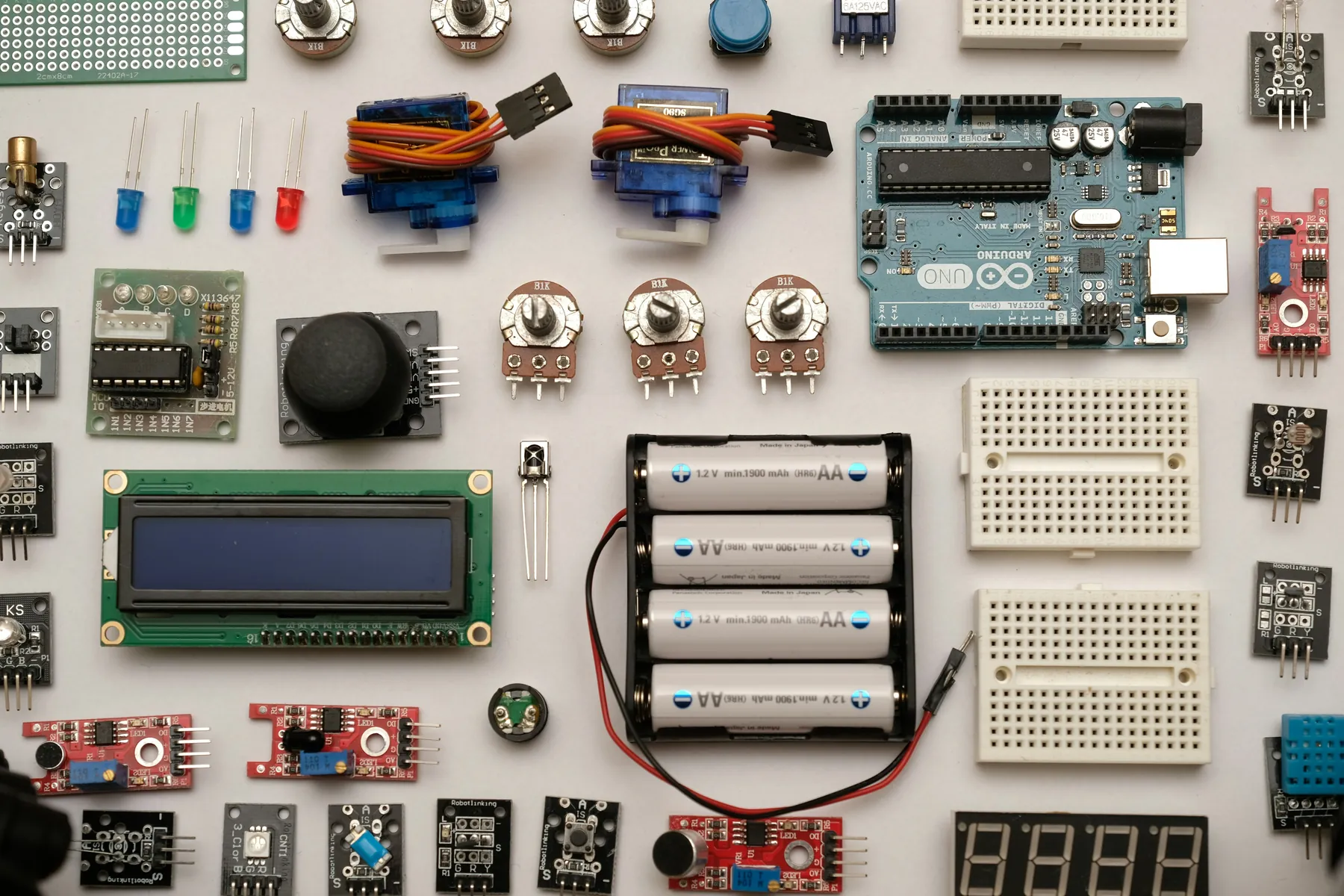
Three sensing layers: neuromorphic vision for spatial awareness, capacitive proximity for presence, and micro-vibration for behavioural pattern. None of them gives any sign of working. There are no indicators, no confirmation tones and no feedback loops, because any of those would move the threshold the device is trying to measure.
The hypothesis
The threshold is not fixed. It moves with the time of day, with cognitive load and with who is in the room. Something that feels intrusive at 7am may be invisible at 3pm. If that is right, “user preferences” is the wrong frame for ambient systems. You cannot ask someone to set their own threshold. It has to be discovered by watching, and then followed.
We hold this as a hypothesis. The Monitor is how we would test it, and the Domestic Residency Protocol is where it would be tested.
What it is not
It is not a smart home sensor and it will not become one. A product would need to hide what it measures. This one exists to measure it.
Gallery / select to enlarge
Other projects