28 October 2026 / 6 min read / Material, Light, Home
The Surface Is the Interface
A washable touchscreen sleeve, a glasses-free depth panel and a piece of maple that thinks. Everything is becoming a surface, and the industry cannot decide whether surfaces should show or hide.
By Wes Fagan
Three announcements from this year, from three different corners, say the same thing about where the interface is going. It is going into the surface of things.
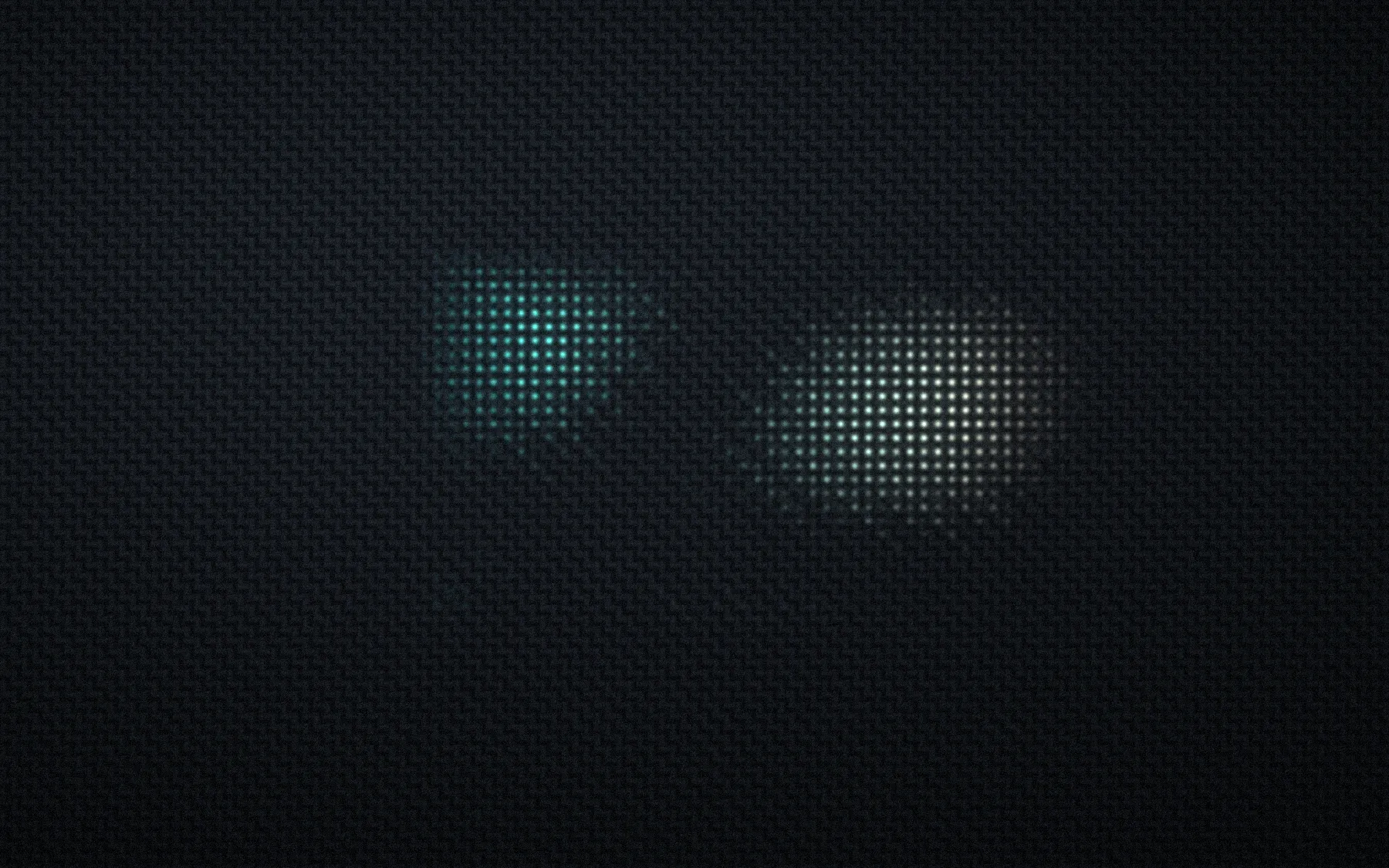
On 21 October a team led by Assistant Professor Tural Khudiyev at the National University of Singapore published a paper in Nature on a touchscreen sleeve woven from light-emitting fibres. The fabric carries 54 fibres and renders a 96 by 54 pixel image at 30 frames a second. It survived 50 washes in detergent and 1,000 bends. It is a prototype, the resolution is low, and nobody is selling it. As a proof that cloth can carry a display and take a washing machine, it is a good one.
In April, Looking Glass’s Hololuminescent Display was named the SID Display of the Year 2026. It produces glasses-free depth in a panel a few millimetres thick, in 16, 27 and 86 inch sizes. The screen stops being a box and becomes a sheet.
The counter-example is made of wood
Against that, the mui Lab board is a slab of maple or cherry with dots of light that appear under the grain when something needs to be said. The second generation, priced around $999 and Matter-compatible, carries Calm Tech Institute certification. At CES in January mui also showed a Calm Sleep Platform and what it calls a Spatial AI service that senses movement with millimetre-wave radar, with no wearable, camera or phone, and processes locally. A commercial launch is targeted for late 2026.
The company says the system respects privacy, and we could not find more detail than that in the release. A claim of that size deserves a diagram.
Show or hide
Put the three together and a tension appears. The display industry is working hard so that every surface can show you something: a sleeve, a window, a wall. The calm-technology approach works hard so that a surface shows almost nothing, and only when it must. Both are materials stories. They want opposite things from the same fabric, wood and glass.
Our view is that the second approach is closer to ambient, and the first is closer to a better screen. A sleeve that plays video is a phone with a different shape. A board that lights one dot under the grain is something you can live next to for a year.
The question a material cannot answer
A surface that senses, whether by radar, fibre or capacitance, collects before it shows. The honest design question is not what the surface can display. It is what the surface knows, where that knowledge is kept and how anyone in the room could tell. We have a method for the first half of that, and the law is catching up on the second, as Four Milliseconds of Face sets out.
Materials are going to carry more of the work. Before they do, somebody should decide what the wood is allowed to remember.
Sources